The Thin Line Between Thrill and Threat
The allure of modern tourism has shifted drastically in the last decade. We no longer just want to see places; we want to experience them in visceral, heart-pounding, and—crucially—highly shareable ways. We want to walk on glass bridges suspended over deep gorges, swing off the edge of cliffs, and dine dangling dozens of feet in the air. This is the era of “adventure luxury,” where adrenaline is the appetizer, now the Anachal incident is the example.
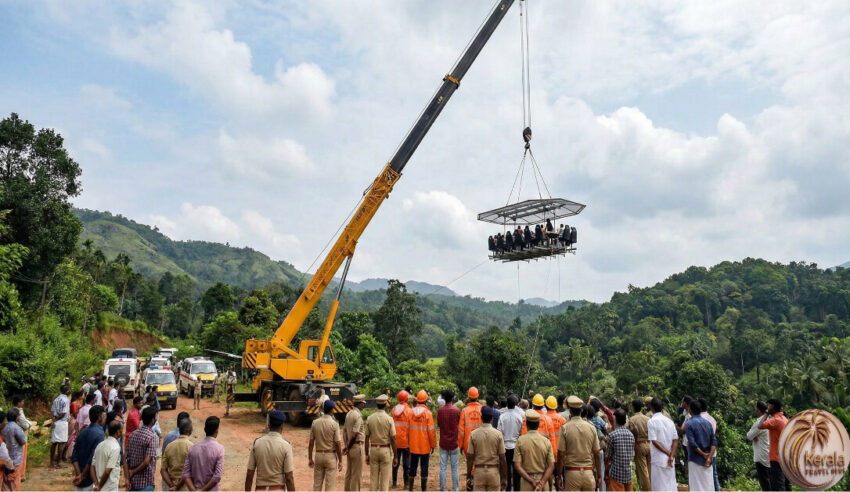
However, today’s breaking news out of Anachal, near the scenic hills of Munnar in Kerala, serves as a stark, chilling reminder of the risks inherent in this pursuit. As reports flood in this Friday, November 28, 2025, we learn that tourists participating in a “Sky Dining” experience have become stranded approximately 120 feet in the air. Initial indication points to a hydraulic lever failure in the crane mechanism that hoists the dining platform. While rescue efforts are currently underway, the incident stops us cold.
When we sign a waiver and strap ourselves into a harness for a unique experience, we are implicitly trusting that the engineering is sound, the operators are skilled, and the “perceived risk” is just an illusion designed for a thrill, not an actual danger. The Anachal incident fractures that illusion.
This event shouldn’t just be a fleeting news cycle headline; it needs to be a catalyst for a deeper conversation about safety standards in the rapidly expanding, and sometimes loosely regulated, world of extreme tourist attractions. How do we ensure that the quest for the ultimate Instagram photo doesn’t come at an unacceptable cost?
The Rise of the “Experience Economy” and Its Hidden Costs
To understand why incidents like Anachal happen, we have to understand the market driving them. The tourism sector has pivoted hard toward the “experience economy.” A nice meal in a restaurant is fine, but a meal suspended by a crane with a panoramic view of the Western Ghats is a story.
Entrepreneurs are rushing to fill this demand, creating increasingly novel attractions. From zip-lines in remote forests to “human slingshots” and elevated dining platforms, the goal is to offer something unique.
The problem arises when the speed of innovation outpaces the establishment of rigorous safety protocols. In many developing tourist hubs, heavy machinery like construction cranes—originally designed for lifting inert materials like steel and concrete—are repurposed to lift human beings. While often safe when operated correctly, these machines introduce a complex layer of risk that doesn’t exist in a traditional brick-and-mortar restaurant or a standard amusement park ride built for a specific purpose. The pressure to monetize scenic locales can sometimes lead to cutting corners on maintenance, staff training, or equipment quality.
Deconstructing the Risks: Beyond Fear of Heights
When we look at attractions like sky dining, high-altitude swings, or glass skywalks, the perceived risk is falling. But the actual operational risks are far more nuanced.
1. Mechanical and Structural Failure
This is the primary culprit in the Anachal incident. Any system that relies on hydraulics, winches, and cables has single points of failure. If a hydraulic line bursts or a primary winch gear strips, gravity takes over instantly. The critical factor here isn’t just that things break—machines always break eventually—it’s the lack of redundancy. In aviation or elevator design, if one system fails, a backup immediately engages. In some pop-up adventure tourism attractions, that backup system may not exist or may not be maintained.
2. The Environmental Variable
Dining at 120 feet isn’t the same as dining on the ground floor. At that altitude, you are exposed to wind shears that can cause dangerous swaying of a suspended platform. Sudden weather shifts, such as heavy rain or lightning, become immediate life-safety threats. An operator on the ground needs advanced weather monitoring systems and clear protocols on when to ground the attraction—even if it means refunding angry customers.
3. Human Error and Operational Inexperience
Operating a heavy crane with live cargo is vastly different from moving pallets. It requires specialized training, a delicate touch, and the ability to remain calm under pressure. Furthermore, the staff on the platform must be trained to manage panicked guests in an emergency. If the staff freezes during a crisis, the situation escalates rapidly.
The Golden Rules of Safety for Unique Attractions
The Anachal incident must serve as a turning point. We cannot wait for a tragedy to demand better standards. Ensuring safety in this sector requires a two-pronged approach: strict responsibilities for operators and regulatory bodies, and informed self-advocacy by tourists.
Furthermore for Operators and Regulators: The Non-Negotiables
A thrilling tourist attraction must be built on a boring foundation of rigorous safety protocols.
- Redundancy is Religion: No system hoisting humans should ever rely on a single mechanism. If it’s hydraulic, there must be mechanical backups or secondary hydraulic circuits. If it’s cable-based, there must be secondary safety lines capable of holding the entire load independently. The mantra must be: “What happens if the main thing breaks?” If the answer is “we fall,” the operation should not open.
- Mandatory, Independent Audits: We cannot rely on operators to police themselves. Local tourism boards and governments must mandate regular, unannounced safety audits by certified engineering firms. These audits should check metal fatigue in cranes, the integrity of harnesses, hydraulic fluid levels, and maintenance logs. No current certificate, no operation.
- Drills and Rescue Protocols: It is not enough to know how to send the platform up. The team must be experts at bringing it down when things go wrong. Today’s situation in Anachal highlighted the gap between a malfunction and a rescue. Every operator must have a clear, practiced rescue plan that doesn’t rely on waiting hours for external fire services to arrive with ladders. Do they have a secondary method to lower the platform manually? Do they have high-angle rescue kits on site?
- Standardized Equipment: The use of re-purposed construction equipment for tourism needs to be heavily scrutinized. Equipment used for “human rating” requires higher safety factors than equipment used for cargo.
For the Tourist: How to Adventure Smart
As travelers, we cannot entirely outsource responsibility for our safety. While we shouldn’t have to be structural engineers to go on vacation, we need to exercise informed caution.
- Look for the Badge: Before booking, look for evidence of safety certifications. Are they inspected by a recognized national or international body? Don’t just look at the pretty pictures on their website; look for the boring “About Us” or “Safety” section. If they don’t mention safety protocols, that’s a red flag.
- Observe the Operation: Before you strap in, watch a cycle or two. Does the equipment look well-maintained, or is it rusty? do the operators seem professional and focused, or are they distracted by their phones? Do they perform safety checks on every single harness, every single time? Trust your gut. If it looks amateurish, walk away. No photo is worth your life.
- Listen to the Briefing: When the staff gives the safety briefing, listen. Really listen. Ask questions: “What happens if the power goes out?” “How do we get down in an emergency?” Their ability to answer confidently tells you a lot about their preparedness.
- Check the Weather Yourself: Don’t rely solely on the operator to cancel a trip. If it’s getting terribly windy or dark clouds are rolling in, make the executive decision to skip the high-altitude activity.
Keeping the Thrill Alive, Safely
The incident at the Anachal Sky Dining is a sobering moment for Kerala’s tourism industry and the wider world of adventure travel. While we anxiously await the safe retrieval of everyone involved today, the lesson is already clear.
The pursuit of unique travel experiences is a wonderful thing. It pushes boundaries and creates unforgettable memories. We shouldn’t seek to ban these experiences, but we must demand that they are professionalized. The thrill should come from the stunning view and the unique setting, not from a genuine gamble with your safety. By enforcing stricter regulations on operators and becoming more discerning consumers ourselves, we can ensure that the only thing breathtaking about these attractions is the view.
FAQs related to the incident and general safety.
1. Is Sky Dining safe for tourists?
Generally, Sky Dining is considered safe when operators adhere to strict international safety standards, including regular equipment maintenance and weight limit enforcement. However, incidents like the one in Anachal highlight the risks involved with mechanical equipment. It is crucial to choose operators who display valid safety certifications and have clear emergency protocols in place.
2. What caused the Anachal Sky Dining incident in Munnar?
Preliminary reports indicate that the Anachal Sky Dining platform became stuck due to a hydraulic lever failure in the crane mechanism used to hoist the table. This mechanical malfunction prevented the platform from being lowered normally, requiring an emergency intervention by rescue services to bring the tourists down safely.
3. How can I check if an adventure tourist attraction is safe?
Before booking, look for government-approved safety certifications and read recent reviews regarding equipment condition. On-site, observe the operation: check if the equipment looks well-maintained (no rust or wear), ensure staff are professional and attentive, and verify that they provide a comprehensive safety briefing. If the operation feels disorganized, it is safer to skip it.
4. What happens if a Sky Dining platform gets stuck mid-air?
Standard safety protocols for Sky Dining involve multiple retrieval methods. Primary measures include engaging a manual override or secondary engine to lower the platform. If mechanical retrieval fails, specialized high-angle rescue teams (like Fire & Rescue services) use ropes and harnesses to evacuate guests individually, or a secondary crane is brought in to transfer them.
5. Are there specific regulations for adventure tourism in Kerala?
Yes, Kerala has safety guidelines for adventure tourism, but the rapid growth of unique attractions like Sky Dining often outpaces regulation. Operators are expected to obtain “No Objection Certificates” (NOCs) from local bodies and Fire & Safety departments. However, experts advocate for stricter, independent engineering audits and mandatory redundancy systems for any machinery lifting humans.